

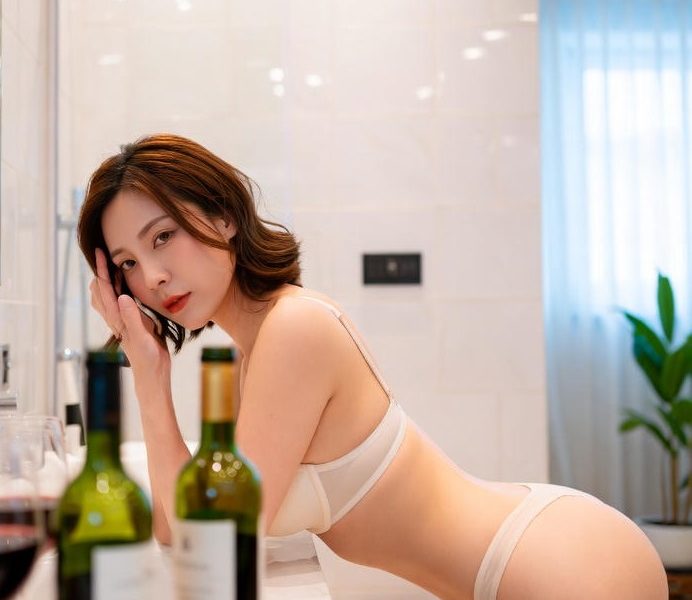
In the rapidly evolving landscape of AI-powered art creation, few innovations have captured the imagination—and sparked debate—like the emergence of AI intimate art generators with hyper-realistic rendering capabilities. These advanced tools leverage cutting-edge deep learning art tools and generative adversarial networks (GANs) to produce photorealistic AI art that pushes the boundaries of what’s possible in digital artistry. Whether you’re an artist exploring new creative frontiers or a creator looking to enhance your workflow with AI-assisted artistic rendering, understanding these technologies—and their ethical implications—is essential.
What Is an AI Intimate Art Generator?
An AI intimate art generator is a specialized form of AI-generated human likeness software that uses neural network-generated imagery to create detailed, lifelike digital representations of human figures. These tools go beyond traditional AI portrait generators by incorporating sophisticated algorithms for realistic human face rendering, photorealistic body rendering, and even hyper-realistic digital portraits with intricate textures and lighting. The result is art that rivals—or even surpasses—photography in its fidelity, thanks to advancements in:
- Neural radiance fields (NeRF) for art, enabling ultra-realistic 3D-like depth and lighting.
- Computer vision-based art, allowing for precise facial and body structure reconstruction.
- Machine learning art synthesis, where the AI learns from vast datasets to generate highly convincing imagery.
- AI image upscaling, enhancing resolution while maintaining detail and realism.
Key Feature: These generators don’t just create images—they produce lifelike digital avatars that can be used in virtual reality, synthetic media, or even AI-generated fashion illustrations with astonishing accuracy.
How AI Intimate Art Generators Work
The magic behind these tools lies in their integration of multiple advanced AI art engines. Here’s a breakdown of the key processes involved:
Deep Learning-Based Facial Reconstruction
The foundation of any AI-generated human likeness system is its ability to analyze and replicate human anatomy with precision. Using deepfake art detection techniques (ironically, to ensure authenticity in creation), these tools analyze facial structures, muscle definitions, and even subtle expressions to generate:
- Hyper-realistic AI-generated faces that appear almost indistinguishable from real photography.
- Realistic texture mapping, including skin pores, hair strands, and even the play of light on surfaces.
- AI-driven artistic realism, where the AI balances artistic interpretation with photographic accuracy.
Neural Style Transfer for Artistic Enhancement
Beyond realism, these generators often incorporate neural style transfer to apply artistic filters, styles, or moods to the output. This allows creators to:
- Generate AI-generated erotic illustrations with a specific aesthetic, whether it’s painterly, cartoonish, or ultra-realistic.
- Experiment with AI art style transfer to blend photorealism with artistic expression.
- Create synthetic photography with AI that feels both original and deeply human.
AI-Powered Character Animation and Pose Rendering
Modern AI intimate art generators extend beyond static images to include dynamic elements. Using AI-powered character animation, these tools can:
- Generate hyper-realistic AI animations where figures move with natural fluidity.
- Render photorealistic AI-generated bodies in various poses, from relaxed to dynamic.
- Apply realistic texture mapping to moving figures, ensuring consistency across frames.
Applications of AI Intimate Art Generators
While the capabilities of these tools are groundbreaking, their applications span a wide range of creative and professional fields. Here’s how they’re being used today:
Digital Art and Illustration
Artists and illustrators use AI-generated portrait realism to:
- Create AI-generated fantasy portraits with hyper-detailed digital models.
- Develop AI-generated character design for games, animations, or comics.
- Explore AI art style transfer to merge traditional techniques with AI-generated elements.
Fashion and Advertising
The AI-driven fashion illustration industry benefits from:
- AI-generated fashion illustrations that showcase outfits on lifelike digital models.
- Synthetic media in advertising, where brands use photorealistic AI-generated bodies to create compelling visuals without physical shoots.
- AI-powered digital sculpting for virtual try-on experiences.
Virtual Reality and Metaverse
In the world of AI art in virtual reality, these generators enable:
- Lifelike digital avatars for VR interactions.
- AI-generated realistic scenes that enhance immersive experiences.
- Neural rendering for digital content, ensuring seamless integration with 3D environments.
Adult Entertainment and Synthetic Media
One of the most debated applications is in the realm of AI-generated erotic art. Here, tools like these are used to:
- Create AI-generated erotic illustrations with customizable features.
- Generate hyper-realistic AI animations for adult content.
- Explore synthetic media art that challenges traditional boundaries of representation.
Ethical Considerations and Challenges
While the potential of AI intimate art generators is undeniable, their rise has also sparked important conversations about AI art and deepfake technology, synthetic media ethics, and AI-generated erotic art. Here are some key ethical dilemmas to consider:
Deepfake Art and Consent Issues: The creation of AI-generated realistic avatars or photorealistic AI-generated faces raises questions about consent, especially when these avatars resemble real individuals without their permission. The line between AI-generated human likeness and deepfake art can blur, leading to concerns about misuse.
AI Art Copyright Issues: Who owns the rights to AI-generated realistic portraits? If an artist uses an AI portrait generator to create a piece, is the output protected under copyright law? These questions are still evolving, and creators must stay informed about AI art and legal implications.
Deepfake Art and Misinformation Risks: The ability to generate hyper-realistic AI-generated faces or AI-generated celebrity likeness poses risks for misinformation. Deepfake art can be used to manipulate public opinion, spread false narratives, or create convincing impersonations. This highlights the need for AI art authenticity verification and deepfake art detection tools.
AI Art and Privacy Concerns: The use of deep learning-based facial reconstruction to generate realistic human face rendering raises privacy concerns. If these tools are trained on datasets containing real people’s images without consent, it could lead to unauthorized use of their likeness. Creators must prioritize AI art and digital identity protection.
Synthetic Media and Ethical Dilemmas: The creation of AI-generated realistic avatars or photorealistic AI-generated bodies for adult content introduces complex ethical questions. Should there be regulations around AI-generated erotic content? How can creators ensure AI art and consent frameworks are respected? These are questions that the industry is still grappling with.
How to Use an AI Intimate Art Generator Responsibly
If you’re exploring the world of AI intimate art generators, it’s crucial to approach this technology with mindfulness and responsibility. Here’s how you can do so:
Prioritize Consent and Authenticity
Always ensure that any AI-generated human likeness you create does not impersonate real individuals without their explicit consent. If you’re working with real people’s images, obtain proper permissions and credit them appropriately.
Understand the Limitations of AI
AI-generated realistic avatars are powerful, but they’re not perfect. Be aware of potential biases in the training data, which can lead to unrealistic or stereotypical representations. Use these tools as aids, not replacements, for human creativity.
Stay Informed About Legal and Ethical Guidelines
Familiarize yourself with AI art and legal frameworks, deepfake art and consent laws, and industry best practices. Many regions are beginning to regulate synthetic media and deepfake risks, so staying compliant is essential.
Use AI as a Collaborative Tool
Rather than relying solely on AI-generated portrait realism, use these tools to enhance your creative process. Combine AI-powered artistic expression with your own skills to produce unique, original work.
Be Transparent About AI-Generated Content
If you’re sharing AI-generated realistic scenes or photorealistic AI-generated figures, consider labeling them as AI-generated. Transparency builds trust and helps audiences understand the nature of the content.
Try Our AI Intimate Art Generator for Free
Ready to explore the possibilities of AI intimate art generators with realistic rendering? Our platform offers a free trial where you can:
- Upload a photo and see how our AI portrait generators transform it into hyper-realistic digital art.
- Experiment with AI-generated erotic illustrations or AI-generated fantasy portraits using advanced GANs and neural network-based art synthesis.
- Discover how AI-driven artistic innovation can elevate your creative projects.
Whether you’re an artist, designer, or content creator, our AI-powered digital art tools are designed to inspire and empower. Generative AI for visual content has never been more accessible—or more transformative.
Start your journey today by uploading a photo and witness the power of AI-generated human likeness firsthand. Try it free now and unlock a new dimension of digital creativity.
Final Thoughts: The Future of AI-Generated Art
The rise of AI intimate art generators marks a pivotal moment in the evolution of digital art. As deep learning in digital art creation continues to advance, we can expect even more sophisticated tools that blur the lines between human and machine-generated art. However, with these advancements come responsibilities—ethical, legal, and creative.
The key to harnessing the full potential of these technologies lies in balance: leveraging AI art and creative autonomy while respecting the boundaries of AI art and ethical boundaries. By using AI-generated realistic avatars and photorealistic AI art responsibly, we can push the boundaries of artistic expression without compromising integrity or consent.
The future of AI-generated erotic art, synthetic media in entertainment, and beyond is bright—but it’s up to us to shape it thoughtfully. Whether you’re exploring AI-generated realistic scenes for art, fashion, or virtual reality, the tools are here to inspire. Use them wisely.




A well-researched piece that bridges technical depth with practical applications! The distinction between “AI portrait generators” and “intimate art generators” was crucial—I’ve seen many overhyped tools fail at realistic human anatomy, but this article highlights why newer models using GANs and NeRF are making such strides. The mention of synthetic media applications is especially timely given recent debates around deepfake ethics.
The clarity with which this explains complex concepts like machine learning art synthesis makes it accessible even for non-technical readers. As an artist experimenting with generative tools, I appreciated the focus on *why* these techniques work (e.g., dataset learning) rather than just listing features. One small suggestion: a case study comparing open-source vs. proprietary solutions would add great context—but otherwise, this is an excellent primer!
This article is a fantastic deep dive into how AI is transforming intimate digital art creation. The breakdown of neural radiance fields and computer vision-based techniques was particularly enlightening—I hadn’t realized how much these technologies had matured. As someone who works in virtual fashion design, I’m fascinated by how these tools could revolutionize character creation for digital spaces while raising important ethical questions about consent and representation.